The Best Books on Cinematography and Filmmaking
These are the books I keep going back to as a cinematographer and filmmaker. They cover lighting, composition, directing, editing and content creation, from classics like the Five C's to Roger Deakins' own book. There are also some photography books in here.
Links on this page are Amazon affiliate links. As an Amazon Associate, I earn from qualifying purchases at no extra cost to you.
-
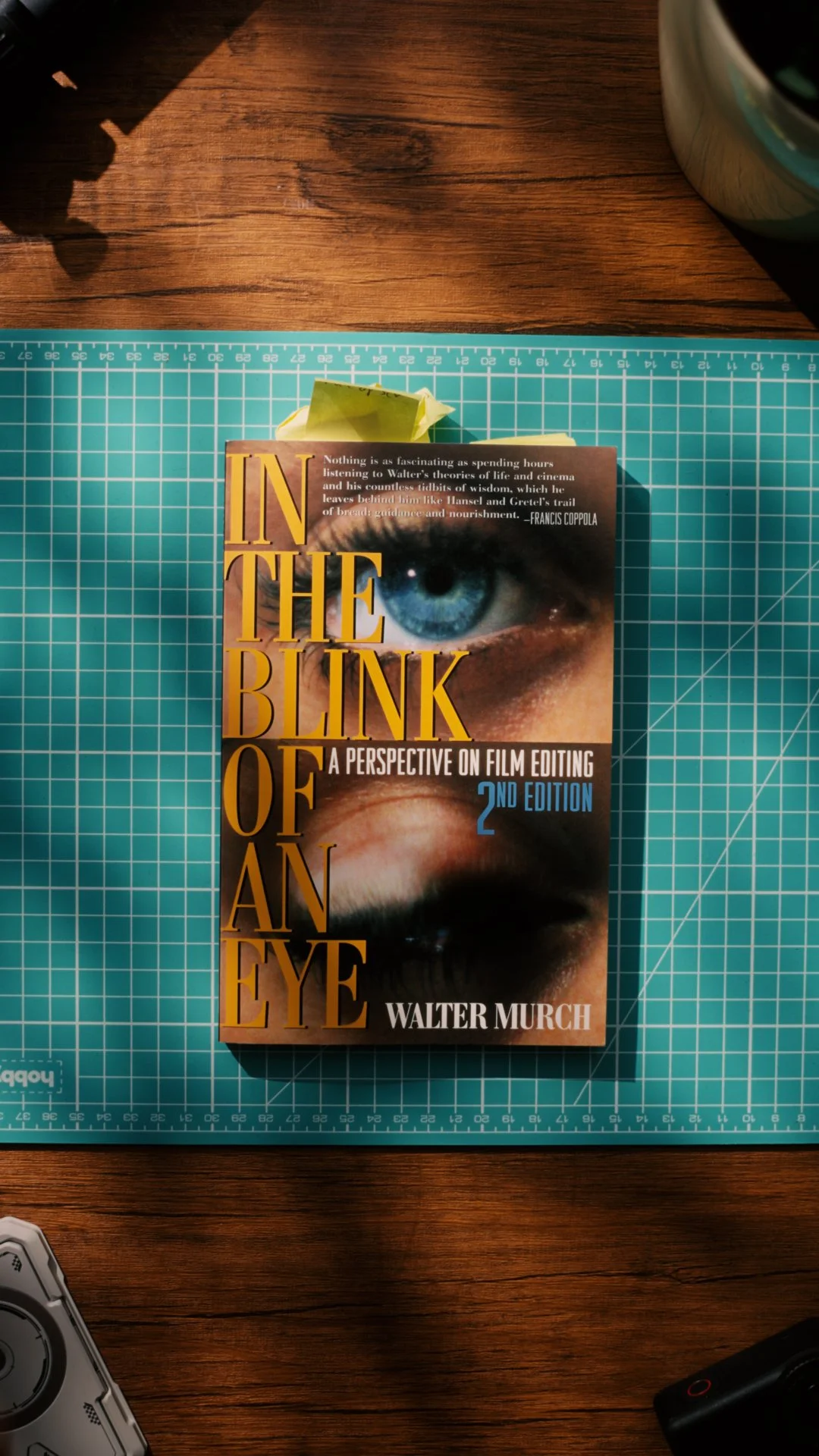
in the Blink of an Eye
By Walter Murch, the first person to win Oscars for both editing and sound on the same film. A short book on why cuts work at all, from his Rule of Six, which ranks emotion above everything else a cut has to do, to the idea, sparked by Gene Hackman on The Conversation, that a cut works like a blink. Under 150 pages, and worth going back to.
-
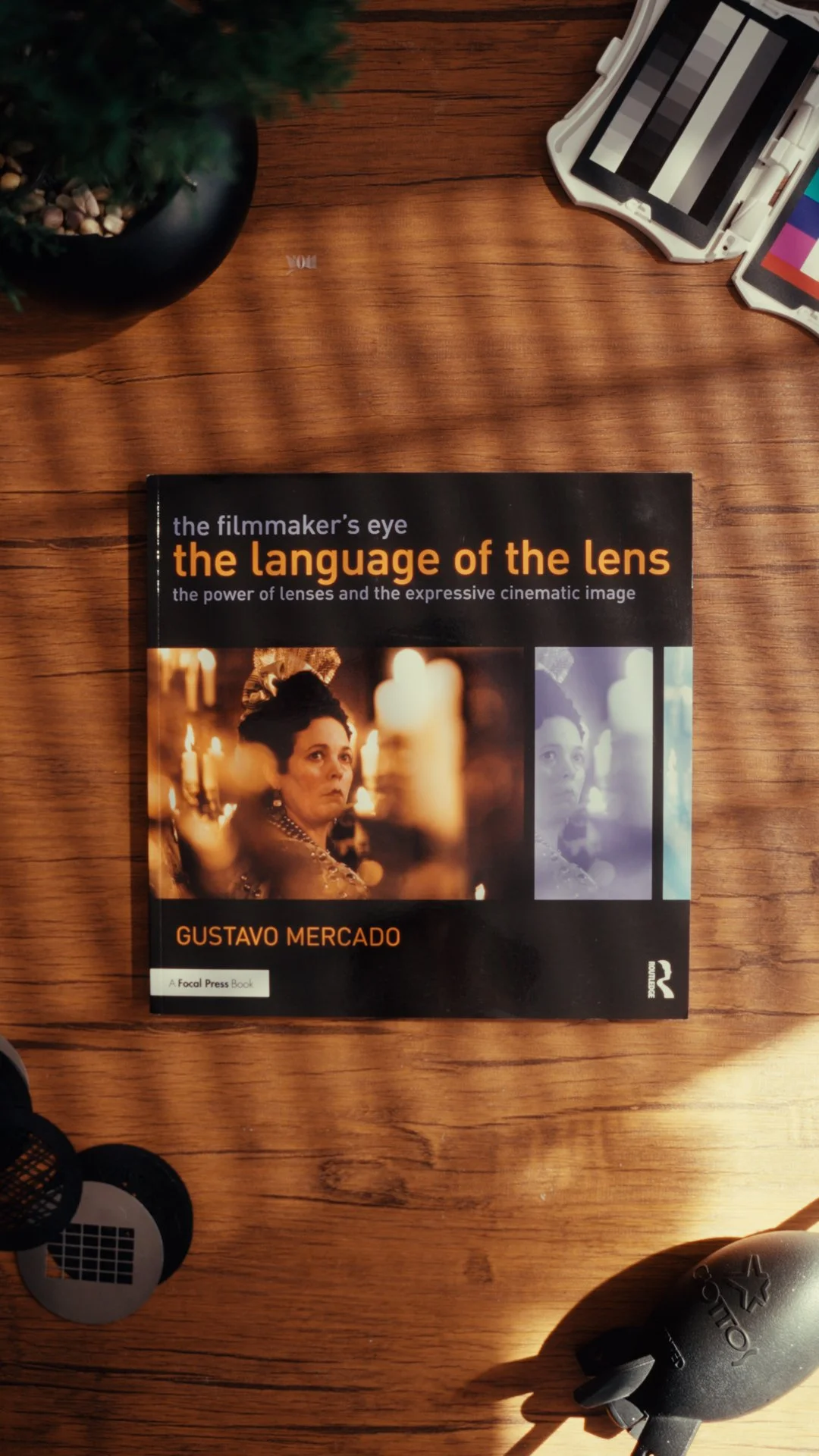
The Filmmaker’s Eye: The Language of the Lens
by Gustavo Mercado. How the lens you choose shapes the story you tell, through space, movement, focus, flares and distortion, with frames from films like The Tree of Life and Tangerine. One to read before buying another lens.
-
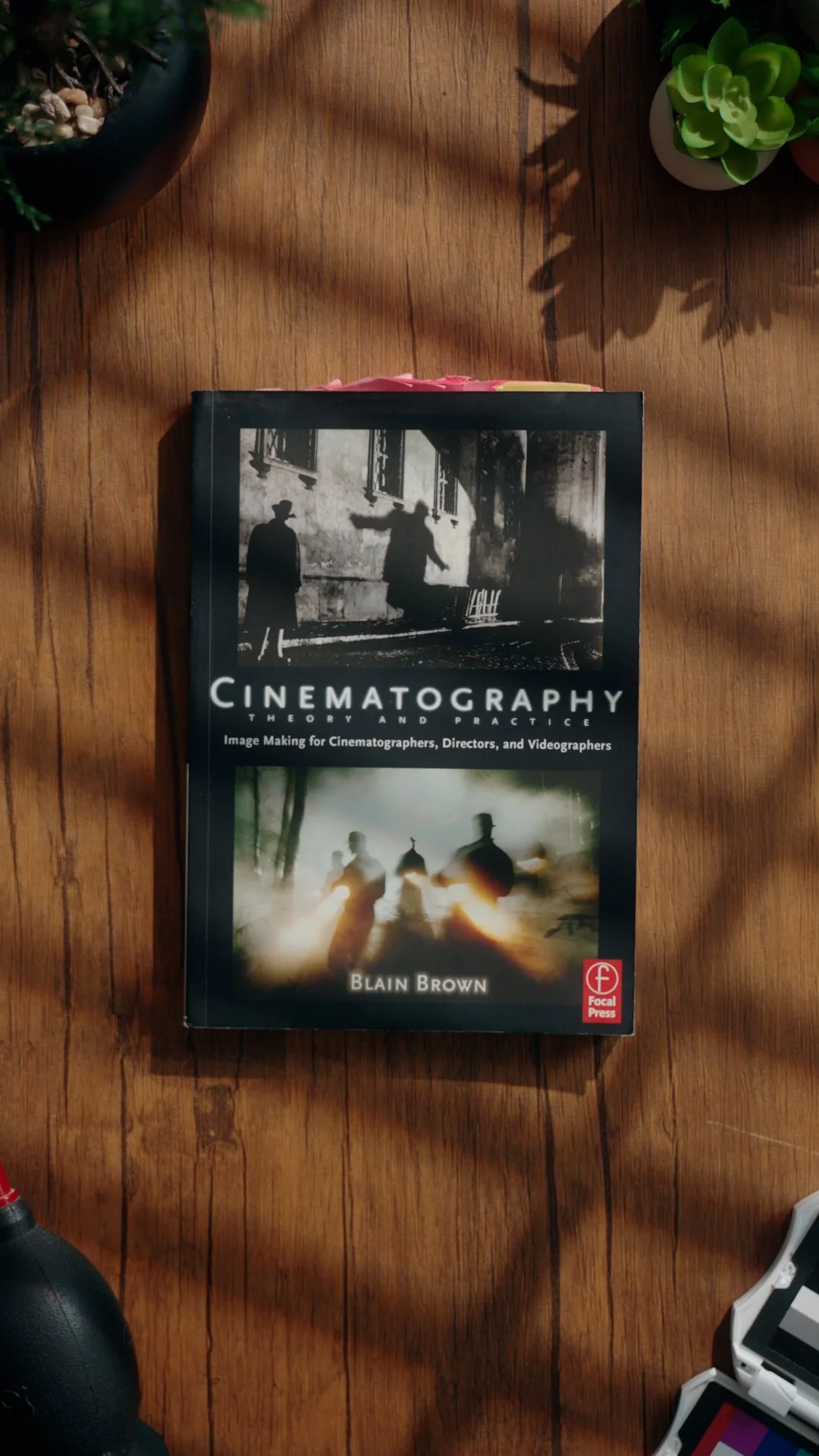
Cinematography: Theory and Practice
A broad overview of cinematography: history, technique and equipment. My copy is still full of tabs from university. Look for the newest edition.
-
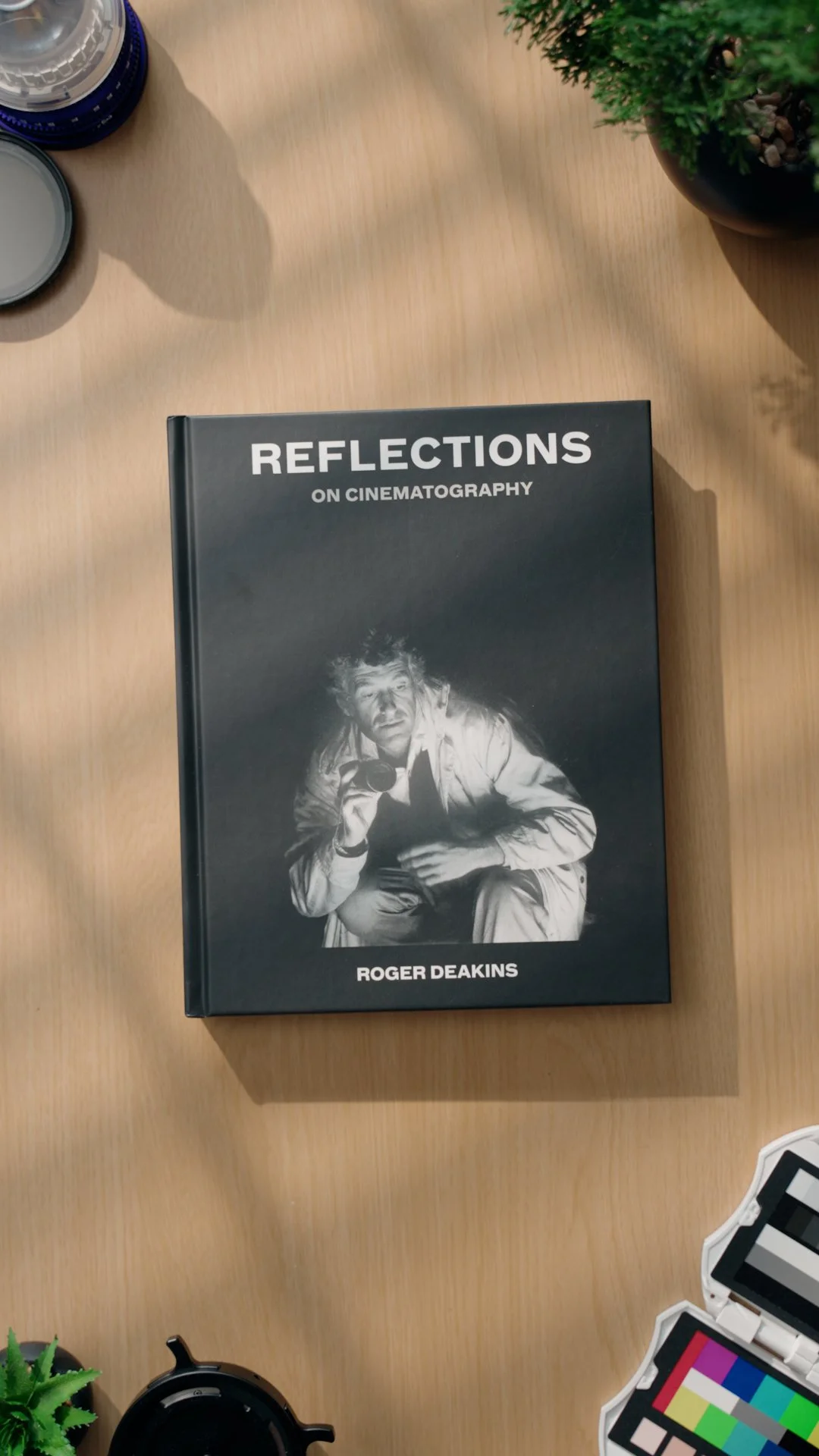
Reflections: On Cinematography
by Roger Deakins, with James Deakins. His career from Torquay to Hollywood, with never-before-seen storyboards, sketches and lighting diagrams showing how he built some of his best-known scenes.
-
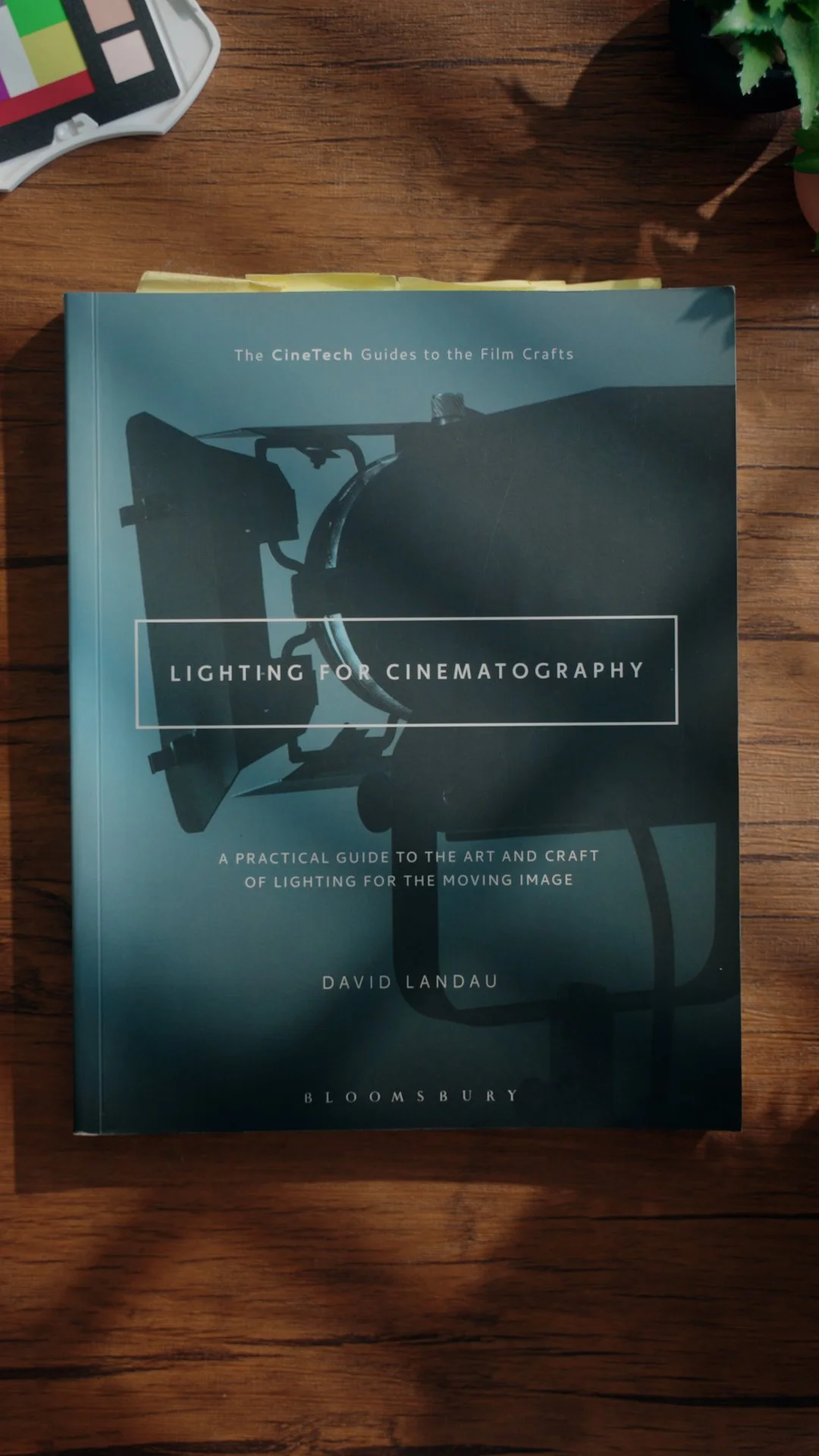
Lighting for Cinematography
by David Landau. A practical guide to lighting for the moving image. It covers the different types of light, diffusion and positioning, and when and why to use each. One to keep on the shelf.
-
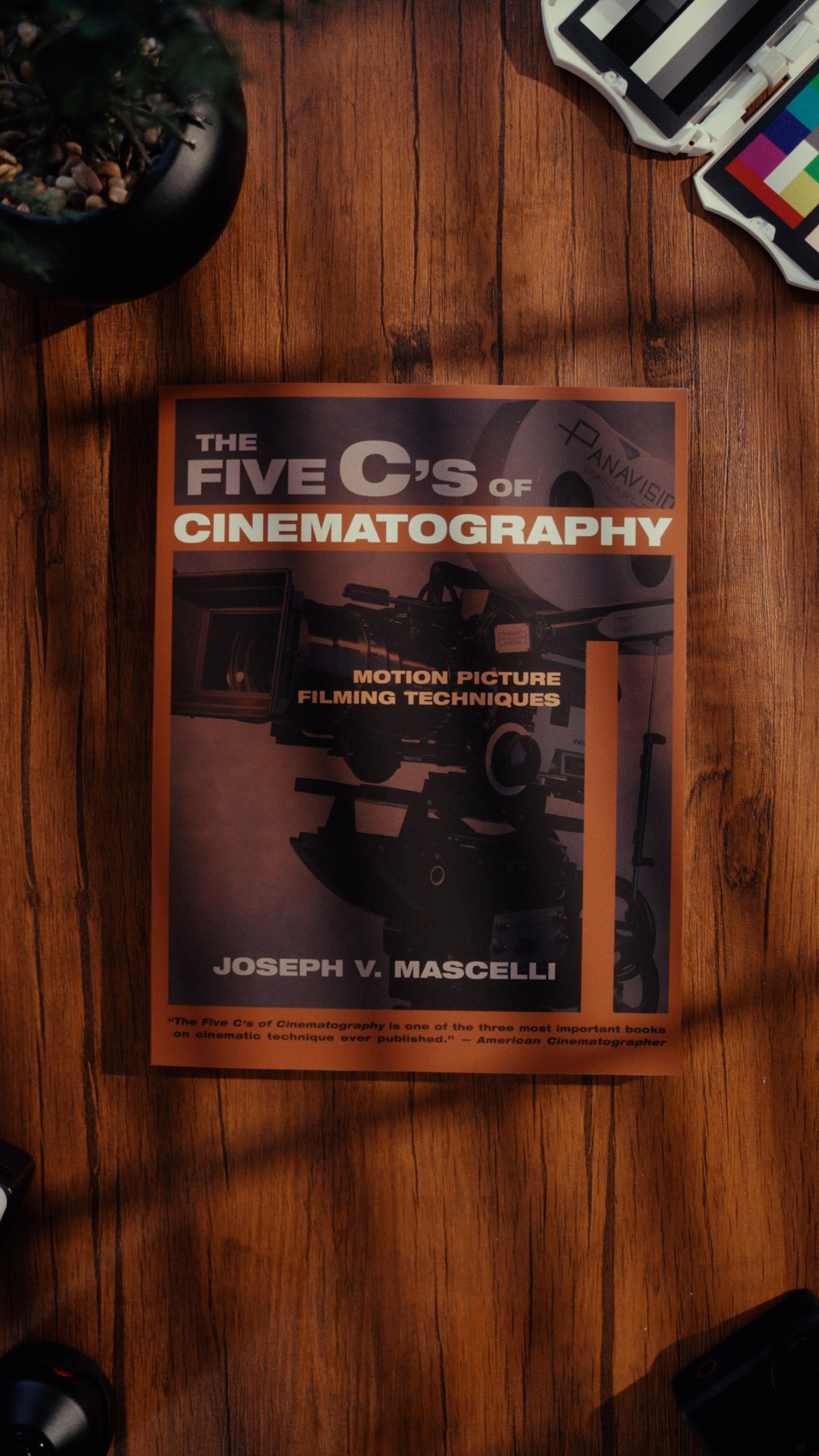
Five C's of Cinematography
by Joseph V. Mascelli. First published in 1965 and still the framework most filmmakers work by. Camera angles, continuity, cutting, close-ups and composition, explained clearly. The one I'd put at the top of the list.
-
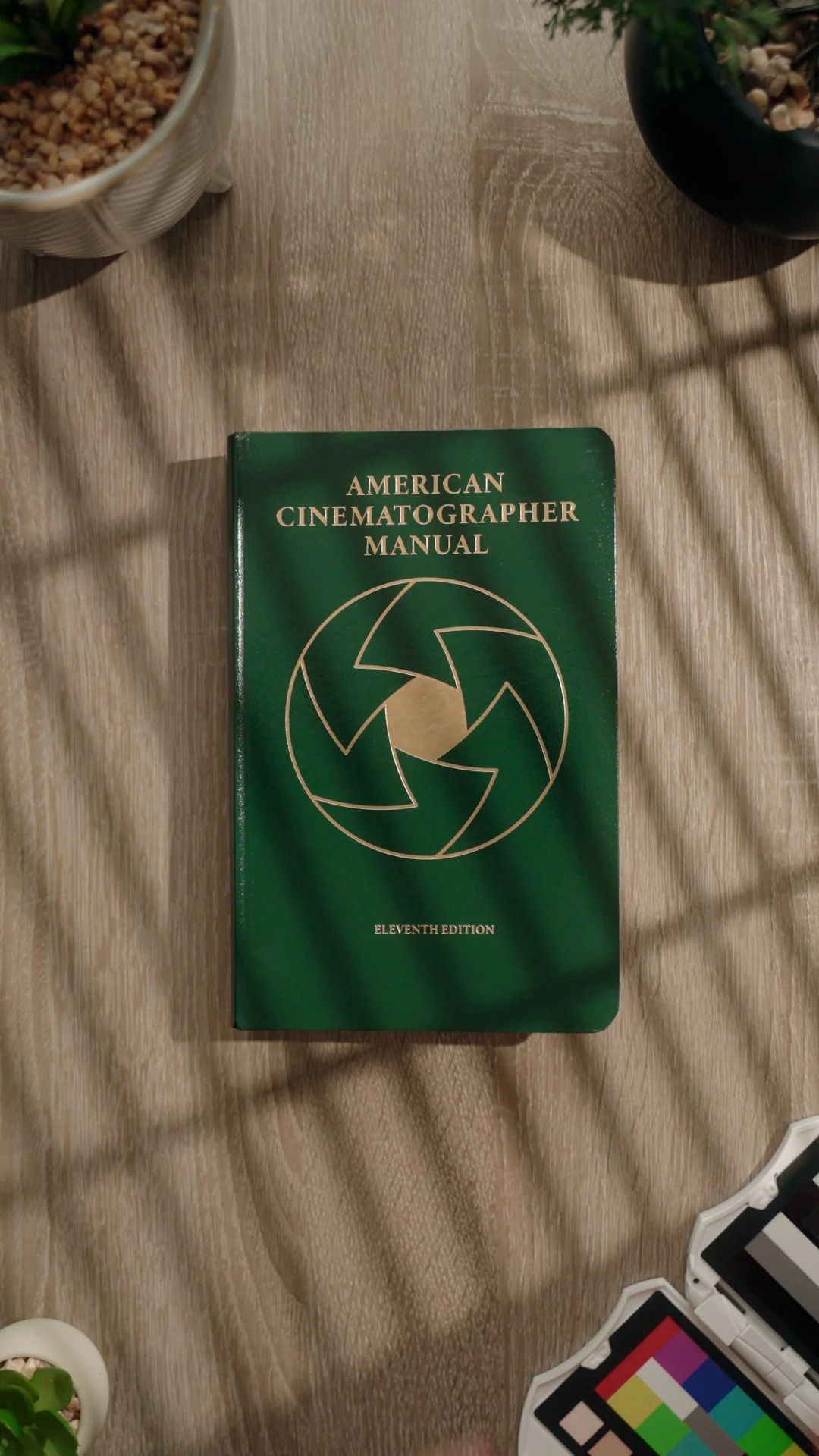
American Cinematographer Manual
edited by M. David Mullen ASC and Rob Hummel for the ASC. The technical reference cinematographers keep on set: digital cameras, sensors, measuring light, lenses, frame rates, virtual production and colour science.
-
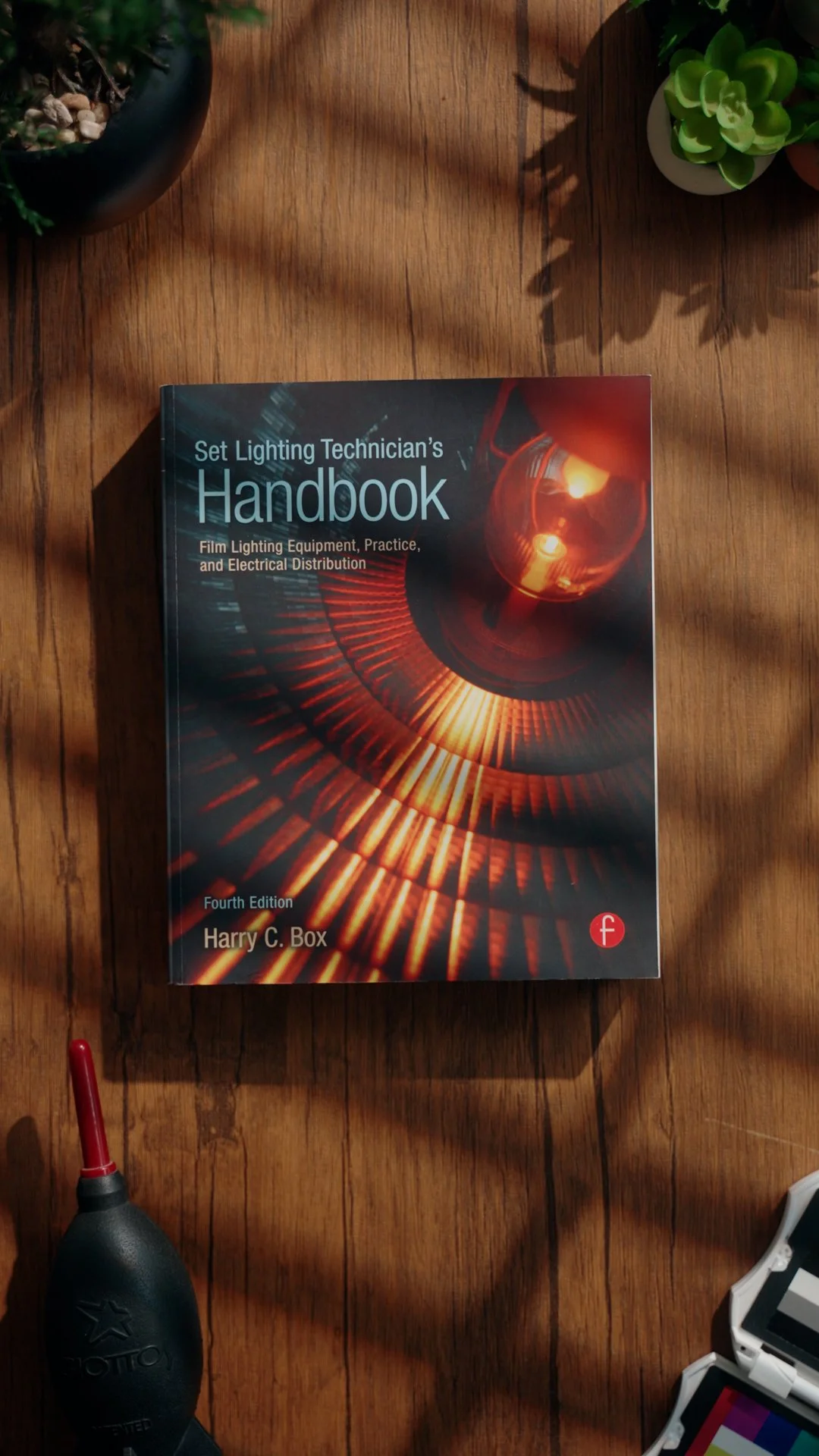
Set Lighting Technician's Handbook
by Harry C. Box. The technical side of lighting: power, rigging, diffusion, bulbs, even knots. More a reference than a cover-to-cover read, and a must-have if you do a lot of grip work.
-
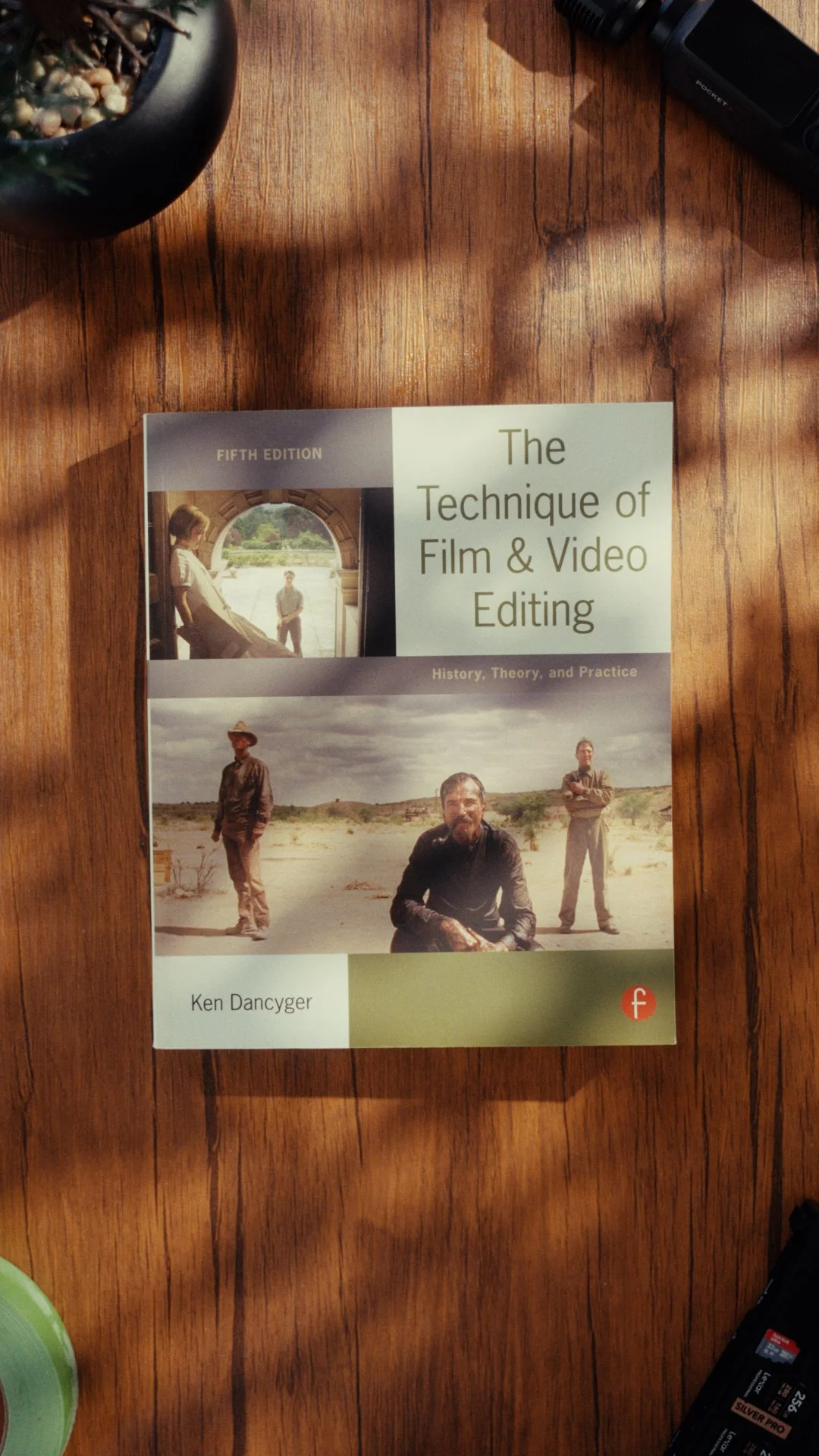
The Technique of Film and Video Editing
by Ken Dancyger. Knowing how editors build scenes makes you a better cinematographer, because you shoot what the edit needs. A reference to keep nearby rather than read cover to cover.
-
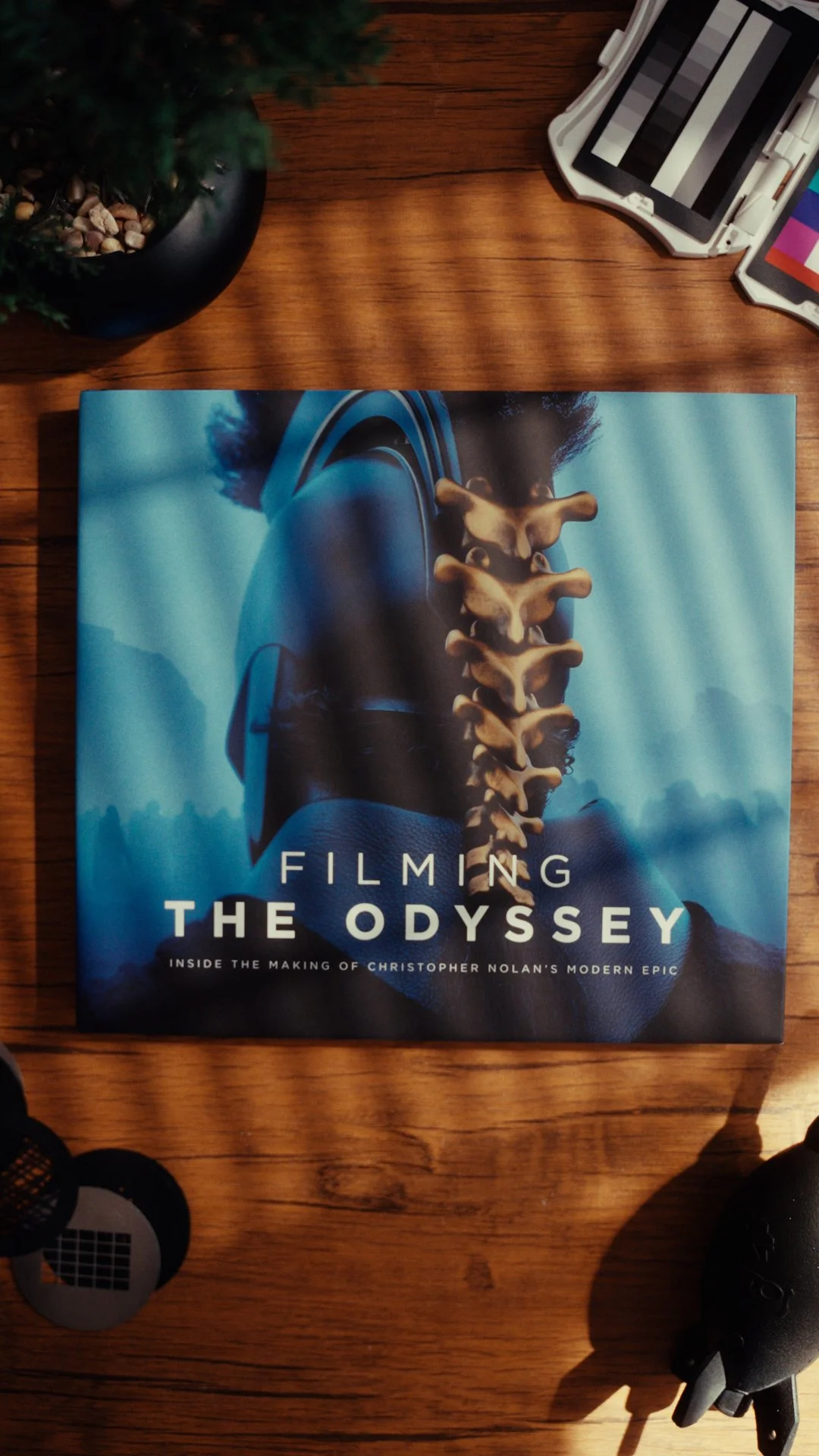
Filming The Odyssey
by James Mottram. How Nolan's Odyssey got made, from the casting to the practical effects for Circe and the Cyclops, with interviews from Nolan, the cast and the crew.
-
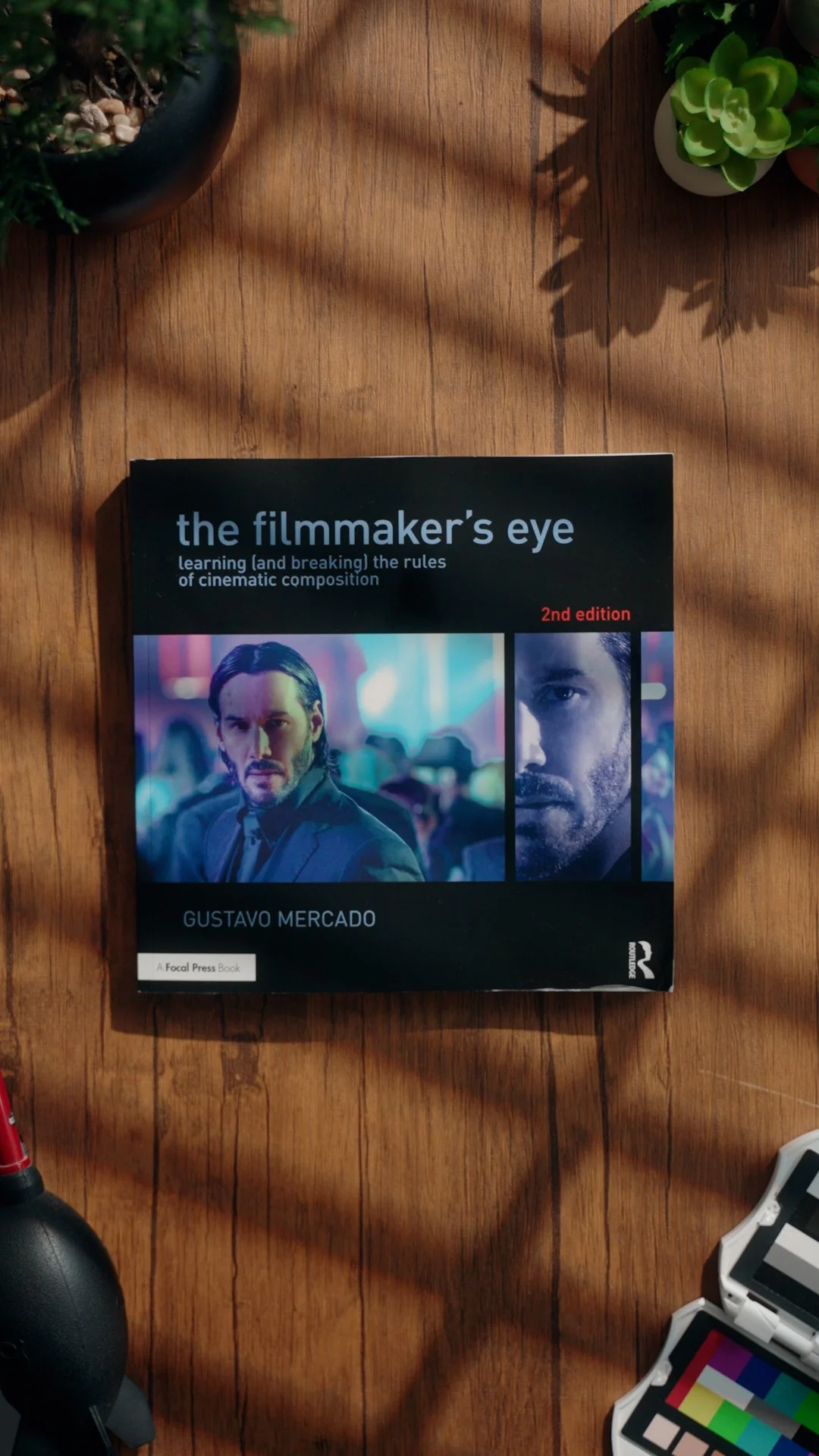
The Filmmaker's Eye
by Gustavo Mercado. A shot-by-shot breakdown of cinematic composition, with hundreds of full-colour examples from the extreme close-up to the moving camera. It covers the rules, and when to break them.
-
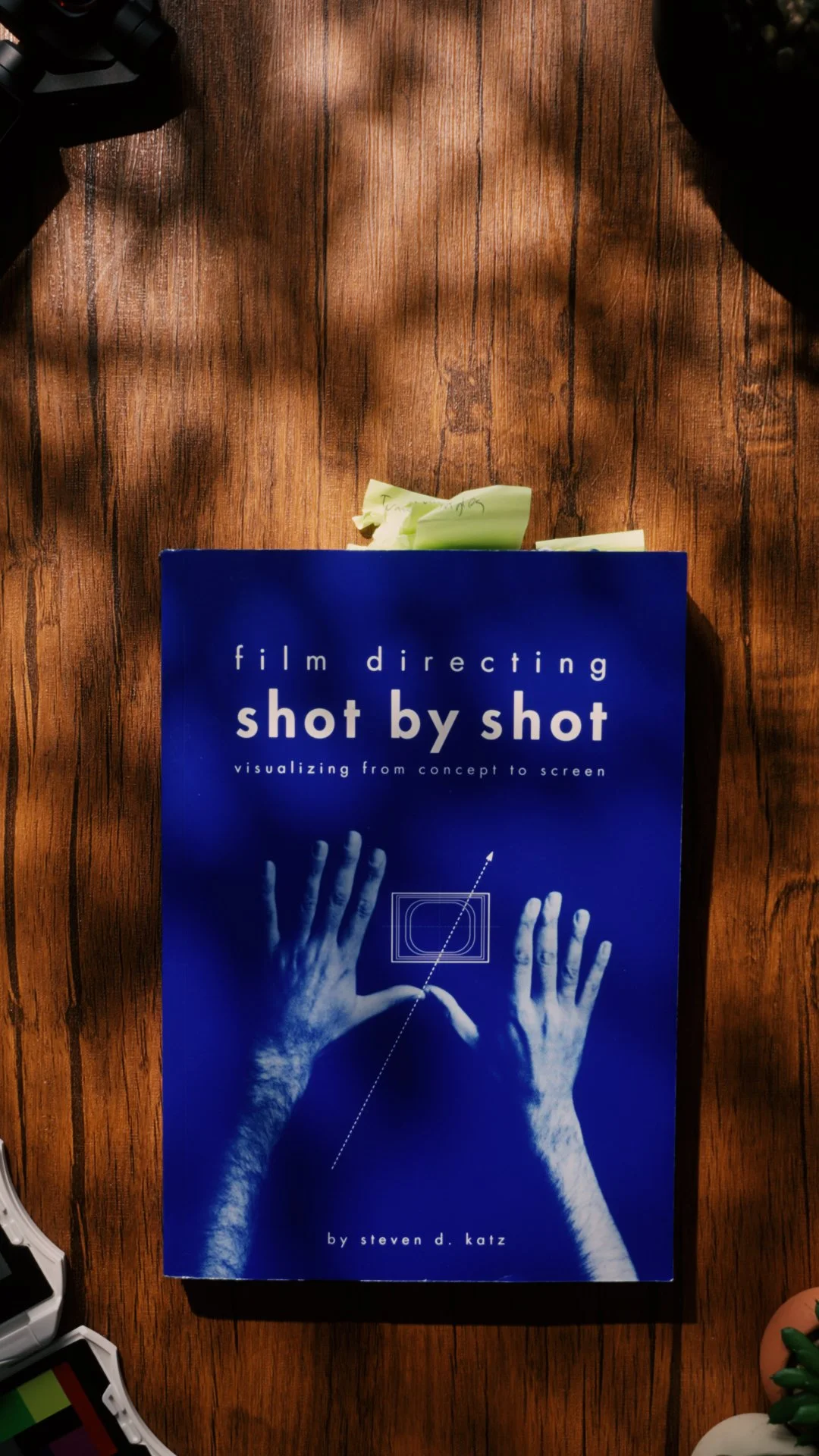
Film Directing Shot by Shot
by Steven D. Katz. How to build a film scene by scene and shot by shot: framing, blocking, and why you'd pick one shot over another. Look for the latest edition.
-
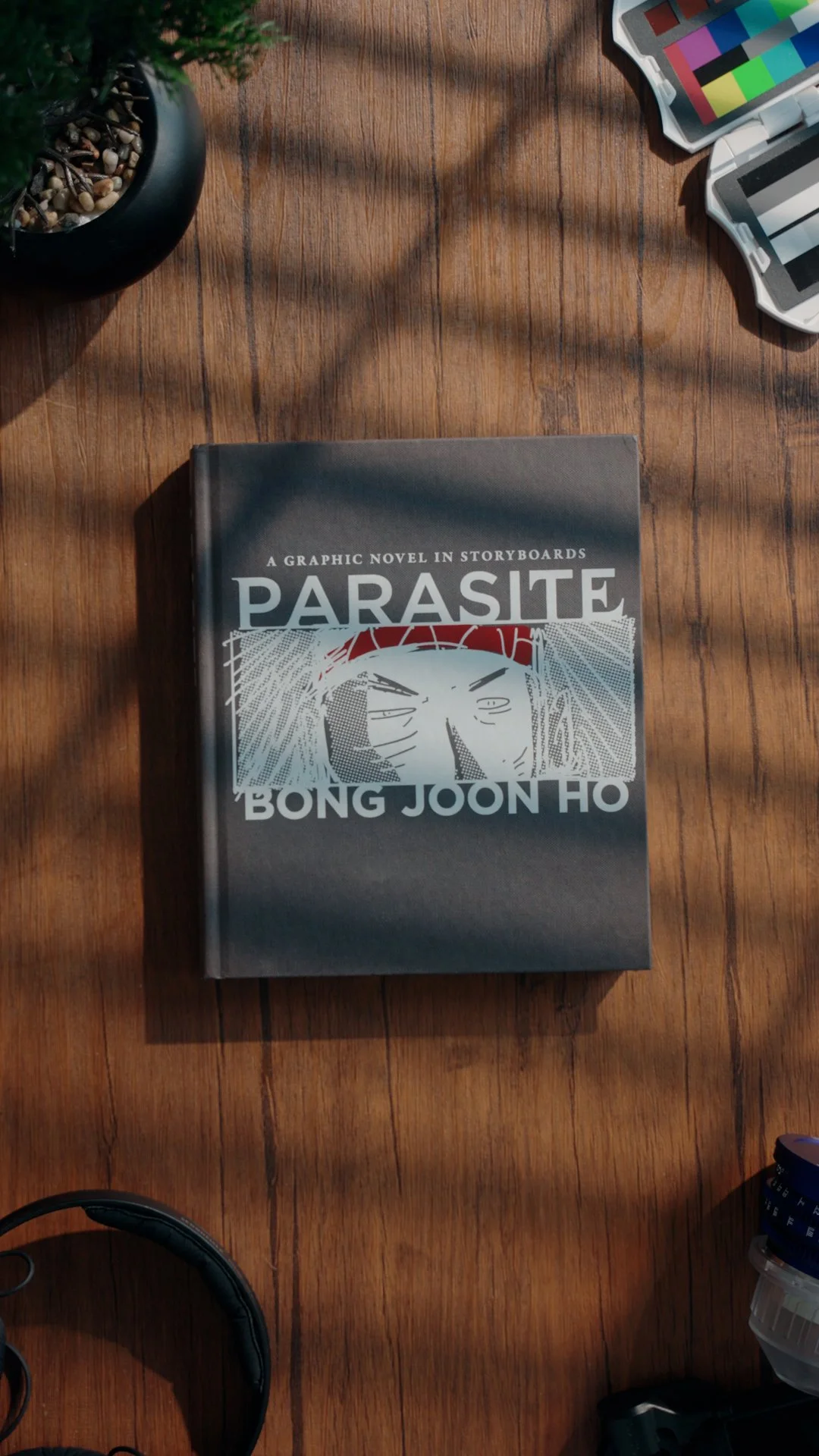
Parasite: A Graphic Novel in Storyboards
by Bong Joon Ho. His storyboards for Parasite, packed with notes and lighting diagrams. It shows how much planning goes in before shooting, and how close the boards are to the final film.
-
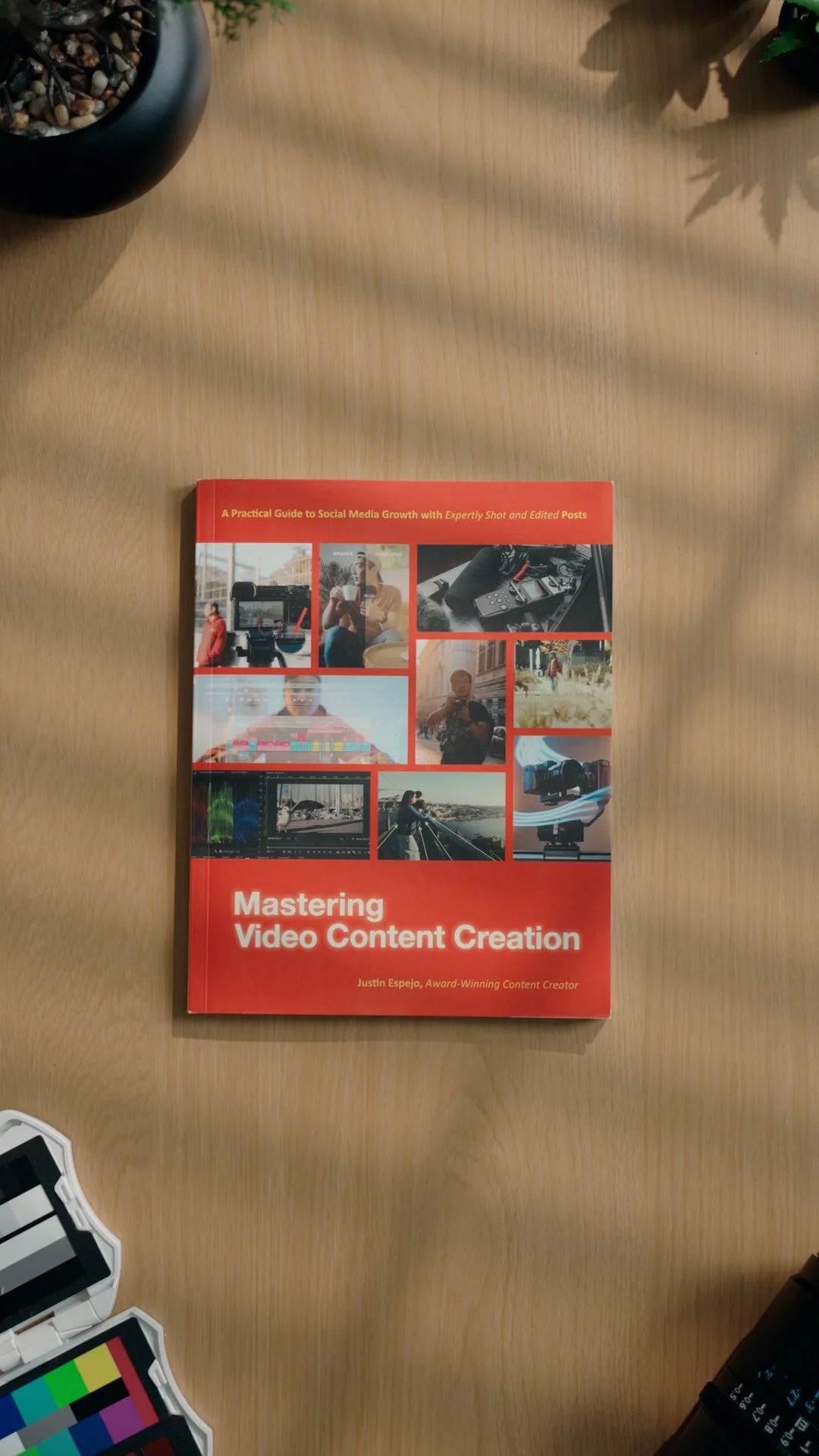
Mastering Video Content Creation
by Justin Espejo, who grew from 3K to 300K followers in 30 days. Step-by-step guides to shooting cinematic video, editing for retention and growing an authentic audience. Foreword by Matt D'Avella.
-
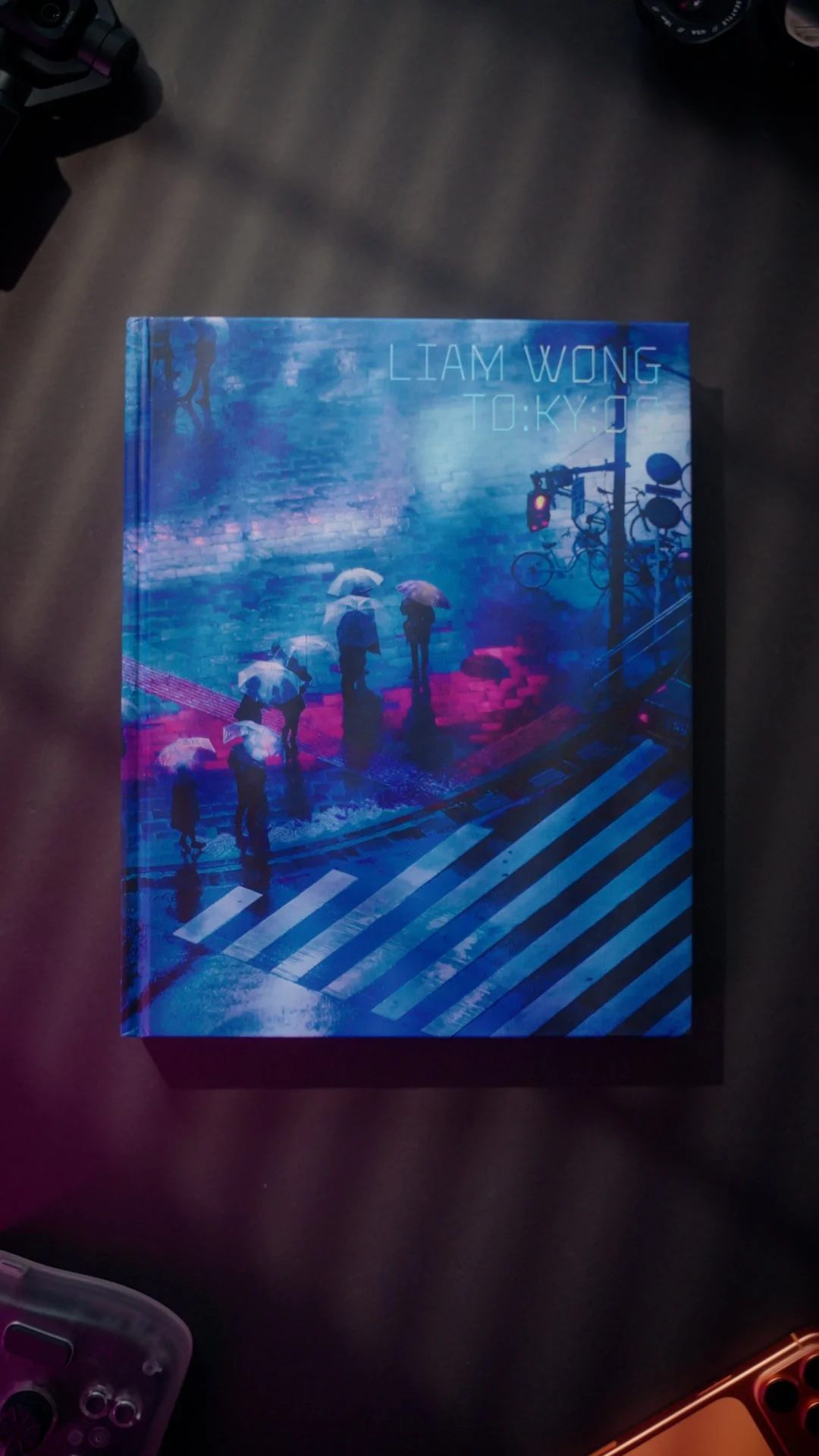
TO:KY:OO
by Liam Wong. Tokyo shot after midnight, in a style you can spot instantly. Foreword from Hideo Kojima, cover quote from Syd Mead, and a section breaking down his process from scene to colour.
-
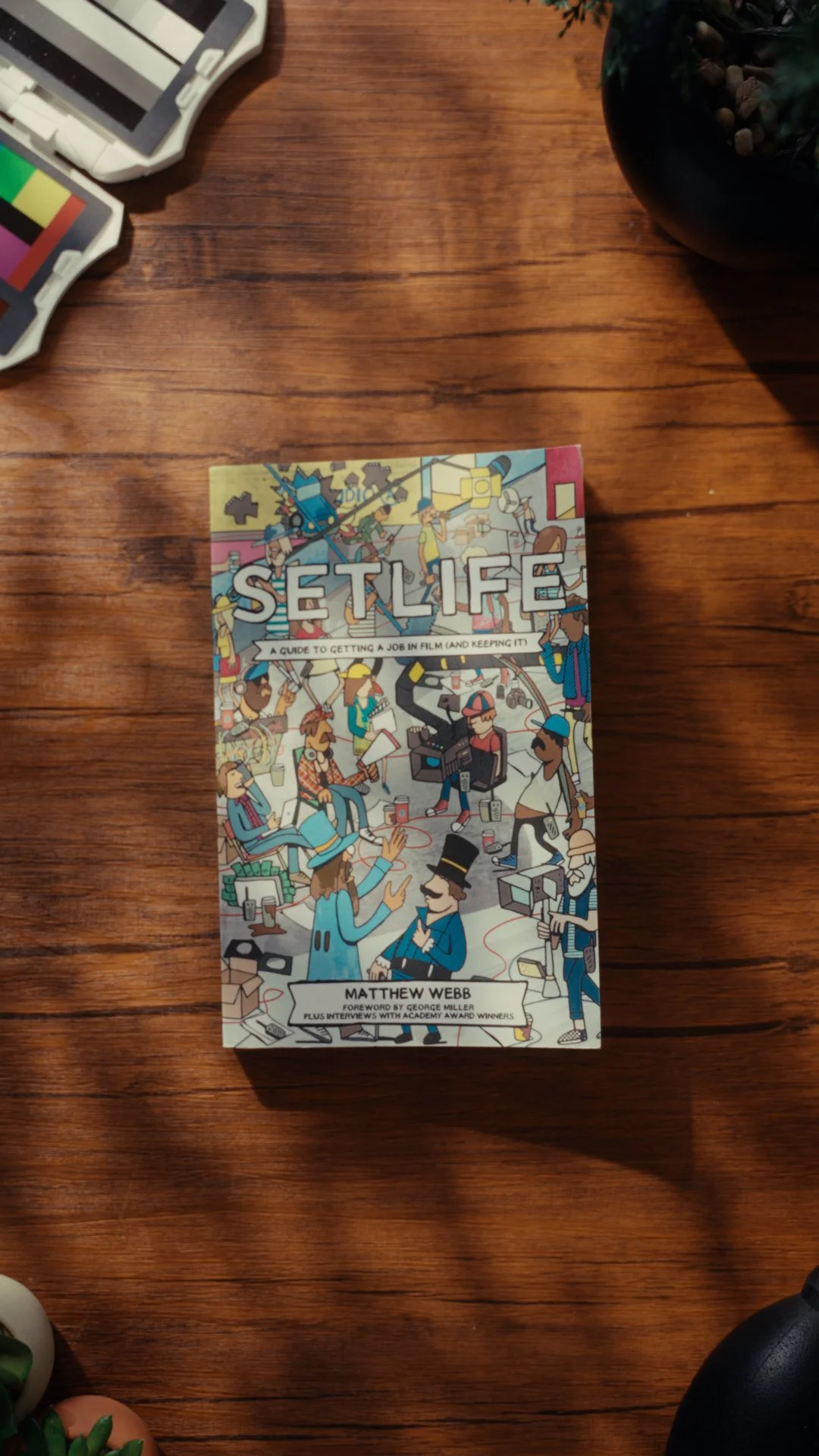
Setlife: A Guide to Getting a Job in Film (And Keeping It)
by Matthew Webb, with a foreword by George Miller. How a working film set actually runs, from making coffee and reading call sheets to what to say on the radio, with interviews from crew on how they got their first job. The book I’d hand to anyone starting out on set.